Iron Deficiency in Women: From Teen Years to Menopause
Hi, I’m Dr. Daniela Steyn. As a physician, triathlete, and mom, I’ve seen firsthand how iron deficiency can affect women at every stage of life—from teenage years to pregnancy, postpartum, and menopause. I want to share what I’ve learned from both clinical practice and personal experience.
Understanding Iron Deficiency vs. Iron-Deficiency Anemia
1. Iron Deficiency
This means your body’s iron stores are running low.
- You may not have any symptoms yet.
- Blood tests may show low ferritin or low iron, but hemoglobin might still be normal.
Think of it like your “iron savings account” getting empty, but your “red blood cell bank” hasn’t run out yet.
2. Iron-Deficiency Anemia
This occurs when iron deficiency progresses enough to lower hemoglobin.
- Symptoms can include fatigue, weakness, pale skin, and shortness of breath.
- Blood tests confirm low hemoglobin and low iron.
Here, the “iron bank” is empty, and your body can’t make enough healthy red blood cells.
Iron deficiency is the early stage; anemia is the late stage. Treating iron deficiency early can prevent anemia from developing.
Who’s at Risk?
- Women of reproductive age (especially those with heavy menstrual periods)
- Pregnant women, due to increased iron needs for fetal growth and blood volume expansion
- Perimenopausal women who may experience heavier menstrual periods
- People who frequently donate blood
- Individuals following vegetarian or vegan diets
- Those with gastrointestinal conditions affecting absorption, such as inflammatory bowel disease or leaky gut
Prevalence
- Up to 30% of non-pregnant women of reproductive age may have iron deficiency.
- During pregnancy, 40–50% of women may develop iron deficiency, and 20–30% may develop anemia.
How Iron Deficiency Impacts Daily Life
Even without anemia, low iron can cause:
- Fatigue and low energy
- Reduced exercise tolerance
- Difficulty concentrating and poor memory
- Mood changes such as irritability or low mood
- Decreased libido
For Pregnant Women, the Stakes Are Even Higher
Maternal risks:
- Preterm delivery
- Low birth weight
- Postpartum depression
- Impaired physical performance
Infant risks:
- Low iron stores at birth
- Delayed neurodevelopment
Ask Your Doctor for Bloodwork
Essential Blood Tests for Anemia Assessment
1. Hemoglobin (Hgb)
- Measures the oxygen-carrying capacity of the blood.
- Low hemoglobin indicates anemia but doesn’t reveal the cause.
2. Ferritin
- Reflects iron stores in the body.
- Important caveat: Ferritin is an acute-phase reactant, meaning it can be elevated during inflammation or infection, even if iron stores are low.
3. C-Reactive Protein (CRP)
- Helps detect inflammation.
- Used alongside ferritin to interpret iron status accurately.
- High CRP plus normal or elevated ferritin can mask iron deficiency.
4. Transferrin Saturation
- Calculated from serum iron and total iron-binding capacity (TIBC).
- Low transferrin saturation may indicate iron deficiency even when ferritin appears normal due to inflammation.
Optional Additional Tests
- Reticulocyte count (assesses bone marrow response)
- Vitamin B12 and folate levels (for macrocytic anemia)
- Peripheral blood smear (evaluates red blood cell morphology)
A Personal Perspective
As an athlete competing for Canada at the international triathlon World Championships, I’ve felt firsthand how even mild anemia affects my stamina, endurance, and recovery. Workouts and races feel harder, and performance suffers.
It’s not only athletic performance that suffers.
As a mom and woman with a monthly menstrual cycle and three C-sections, I have experienced how iron deficiency can sap energy for daily life. Balancing recovery, work, and parenting becomes much harder.
During postpartum and breastfeeding, iron is critical for healing, sustaining energy, and supporting milk production. Iron deficiency at this stage affects both mom and baby.
Iron deficiency affects more than lab values—it impacts athletic performance, daily functioning, mood, and maternal health. Early detection restores energy and supports both personal and maternal goals.
What You Can Do
1. Identify and Address Underlying Causes
- Heavy menstrual bleeding may require evaluation for fibroids.
- During pregnancy and lactation, monitor iron levels and optimize intake.
- Investigate gastrointestinal causes such as celiac disease, ulcers, or gastritis if anemia persists.
2. Dietary Interventions
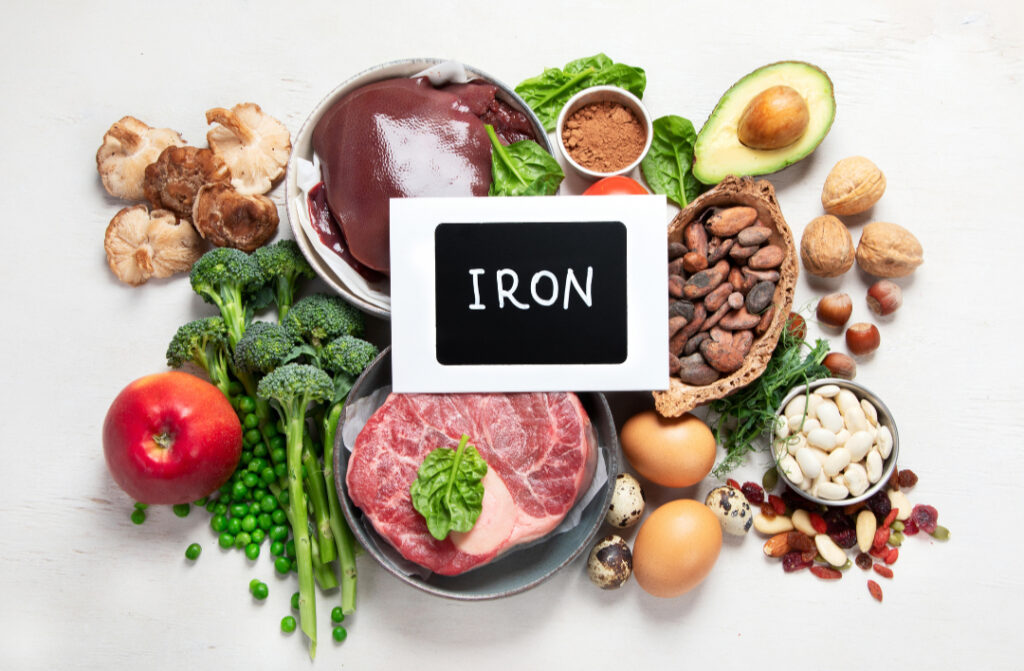
Iron-rich foods:
- Red meat
- Poultry
- Fish
- Lentils
- Beans
- Tofu
- Fortified cereals
- Dark leafy greens
Boost absorption:
Pair plant-based iron sources with vitamin C-rich foods such as citrus fruits, peppers, and strawberries.
Limit inhibitors:
Tea, coffee, and high-calcium foods consumed with meals can reduce iron absorption.
3. Lifestyle and Practical Tips
- Schedule regular blood work to monitor progress.
- Track fatigue and worsening symptoms.
- Prioritize sleep, stress management, and balanced nutrition.
4. Special Considerations for Heavy Menstrual Bleeding
Hormonal management, such as a Mirena IUD, can significantly reduce blood loss. Some women may require endometrial ablation or hysterectomy.
Diet and lifestyle changes alone may not be enough when bleeding is substantial.
Clinical Takeaway
Iron supplementation is often necessary. Addressing underlying causes while using dietary, lifestyle, and hormonal strategies provides the best opportunity for long-term improvement.
Iron Deficiency in Menopause: The Hidden Challenge
Fatigue, brain fog, and low energy in perimenopausal and postmenopausal women are often attributed to aging or hormonal changes, but iron deficiency may be an underlying cause.
Strategies for Better Conversations with Your Healthcare Provider
Normalize the Topic
Ask about energy levels, cognition, and exercise tolerance. Fatigue isn’t always “just aging.”
Screen Proactively
Request testing for hemoglobin, ferritin, transferrin saturation, and CRP if symptoms persist.
Integrate Symptom Discussion
Discuss diet, menstrual history, gastrointestinal symptoms, and potential blood loss during routine visits.
Empower Yourself
Iron deficiency is treatable. Correcting it can improve energy, mental clarity, and quality of life.
Avoid Assumptions
Don’t automatically attribute fatigue to menopause. Each symptom deserves proper evaluation.
Key Takeaway
Proactive discussion, screening, and education help identify iron deficiency early and prevent unnecessary functional decline.
Iron-Rich Foods for Menstrual Health
Heme Iron (best absorbed) Lean red meat, poultry, salmon, tuna, sardines.
Plant-Based Iron Lentils, beans, tofu, quinoa, pumpkin seeds, spinach, broccoli, fortified cereals.
Boosting Absorption Pair iron foods with Vitamin C (citrus, bell peppers, strawberries). Avoid tea, coffee, or calcium supplements with iron meals — they block absorption.
Iron Supplements in Canada If diet alone isn’t enough, iron supplements may be needed. Options include:
- Ferrous sulfate, ferrous gluconate, or ferrous fumarate — effective and widely available.
- Gentle alternatives: heme iron polypeptide (e.g., Proferrin®) or polysaccharide iron (less stomach upset).
- Feramax 150
- SiderAL® Forte (for adults), SiderAL® Gocce (for children),
Always supplement under medical supervision. Too much iron can be harmful, so your dose should be guided by your lab results.
Key Takeaways
- An anti-inflammatory diet rich in plants, omega-3s, magnesium, and herbs like ginger can significantly reduce cramps.
- If you have heavy bleeding, ask your doctor to test for anemia.
- Support your iron levels with both diet and, if needed, supplements.
For more info on how to reduce period cramps and support iron levels, click here:
Nutrition Strategies to Reduce Period Cramps and Support Iron Levels
Book with one of our nutritionists:
Bonnie Flemington – Book Appointment Gina Alfieri – Book Appointment